Field Museum
Natural history at imperial scale
⏱ 3-4 hours👤 All ages$$$
Get Tickets
Get Field Museum Tickets
Skip the line · mobile tickets accepted at the door
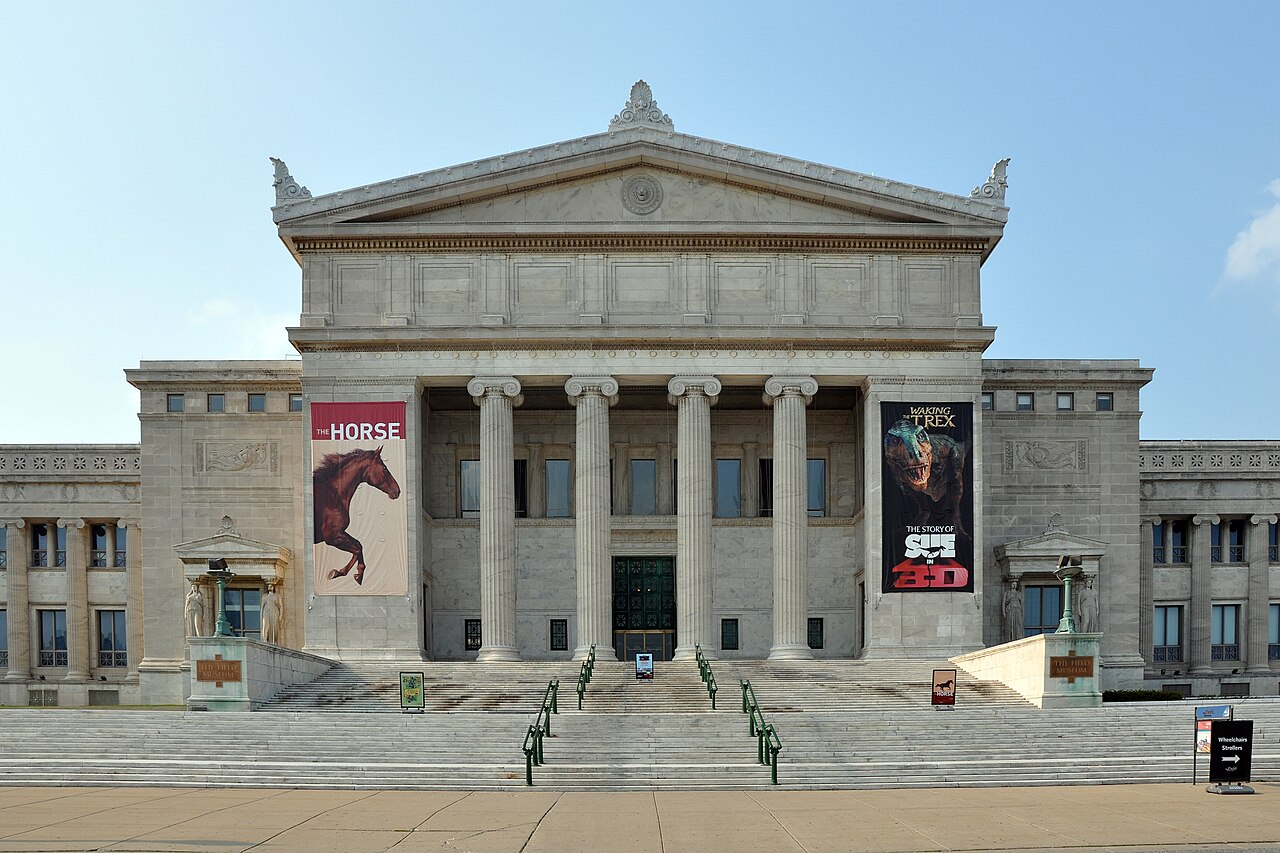
Born from the 1893 World's Fair's leftover wonders and Marshall Field's money, the Field opened its current temple in 1921 and has run imperial-scale natural history since: forty million specimens behind the scenes, active expeditions on every continent, and public halls that balance Victorian cabinet-of-curiosities charm with modern exhibit science. Stanley Field Hall makes the overture — white marble, three stories of daylight, Máximo's absurd neck running half the room's length (cast from Argentine bones, and touchable, which no child forgets) — and the mezzanine's suite holds the museum's crown jewel with appropriate theater.
SUE (named for discoverer Sue Hendrickson; the museum styles the dinosaur's pronouns with a wink) came out of a South Dakota ranch in 1990 as the T. rex find of the century — about ninety percent complete, bones so well preserved the pathologies read like a medical chart: healed fractures, infections, a hard forty-year-ish life written in calcium. The gallery mounts the five-ton skeleton in hunting posture with the 600-pound skull displayed separately at eye level (the mounted head is a cast; the real one is too heavy for the neck), wrapped in projection and sound that stage a Cretaceous day. It is the single best dinosaur exhibit in America, and the Evolving Planet halls behind it run the full four-billion-year march for context.
The rest of the building earns the afternoon. Inside Ancient Egypt descends through a reconstructed mastaba tomb built around chambers that are genuinely 5,000 years old, into a lower level of mummies, burial boats, and a Nile marketplace; the Tsavo lions — the actual pair that killed railway workers in 1898 and inspired the movies — stand in their modest case radiating menace disproportionate to taxidermy; the Grainger Hall of Gems and the Hall of Jades handle the sparkle; and the bird, mammal, and anthropology ranges reward wanderers with century-old diorama craft. Logistics: timed entry online with basic and all-access tiers (the ticketed specials and 3D theater ride the upper tiers); Illinois residents get published discount days; three hours is standard, four with Egypt done properly. The Museum Campus position — Shedd next door, Adler at the point, the skyline across Monroe Harbor — makes the Field one vertex of the best museum peninsula in America, and the campus lawn the picnic solution.
What to Expect
Format
Natural history in a marble temple — Máximo the titanosaur in the grand hall, SUE the T. rex (the most complete ever found) upstairs, the walk-through Egyptian tomb, the Tsavo lions, and gem halls. Timed entry; basic and all-access tiers.
Best Time
Weekday openings in school season beat the field-trip waves to SUE; summer weekends fill by late morning. Illinois discount days are published — residents, check first.
Duration
Three hours standard; four with Ancient Egypt and the fossil halls done right.
Tips
Go straight to SUE at opening, then let the building sprawl. Touch Máximo — it's allowed and the kids need to know. The all-access tier only pays off if you want the specials and 3D theater. The campus steps' skyline view is the exit photo.
⚡ Quick Picks
Best For
Dinosaur households and anyone who wants natural history served with architectural ceremony.
Families
SUE, Máximo, mummies, man-eating lions — the four-stop kid circuit writes itself, and the campus lawn absorbs the aftermath.
Couples
The gem and jade halls at a quiet hour, then the lakefront walk to the planetarium point at dusk.
Pair With
The Shedd Aquarium next door and Adler Planetarium at the point — the Museum Campus is a full weekend in one peninsula.
Time Needed
Three to four hours.
Ready to book Field Museum?
Get Tickets →Frequently Asked Questions
What makes SUE special?
The most complete T. rex ever excavated — roughly ninety percent, with bones preserved well enough to read injuries and infections — mounted in a dedicated gallery with the real 600-pound skull at eye level.
Field or Shedd with one Chicago day?
Kids who dream in dinosaurs: Field. Kids who dream in belugas: Shedd. They're neighbors on the same campus, so the honest answer is a two-day Chicago museum weekend — see the guide.
Is the Egypt exhibit real?
The mastaba's upper chambers incorporate genuinely ancient elements and the mummy collection is among the country's best — the walk-down-into-a-tomb staging just makes five millennia feel ten minutes long.
How do the ticket tiers work?
Basic covers the permanent halls including SUE; all-access adds ticketed specials and the 3D theater. Timed entry online; Illinois residents get published discount days.
What are the Tsavo lions?
The actual pair of man-eating lions that terrorized the 1898 Uganda Railway crews in Kenya — shot, sold to the Field, and displayed ever since; the movies came later. Modest case, outsized chill.
More All Museum Attractions
Browse all →
Art Institute of Chicago
America's second-greatest art museum and many critics' first — behind the bronze lions on Michigan Avenue wait American Gothic, Nighthawks, Seurat's Grande Jatte, a hall of Monets, and the Thorne miniature rooms. Pound for pound, unbeatable.
American Museum of Natural History
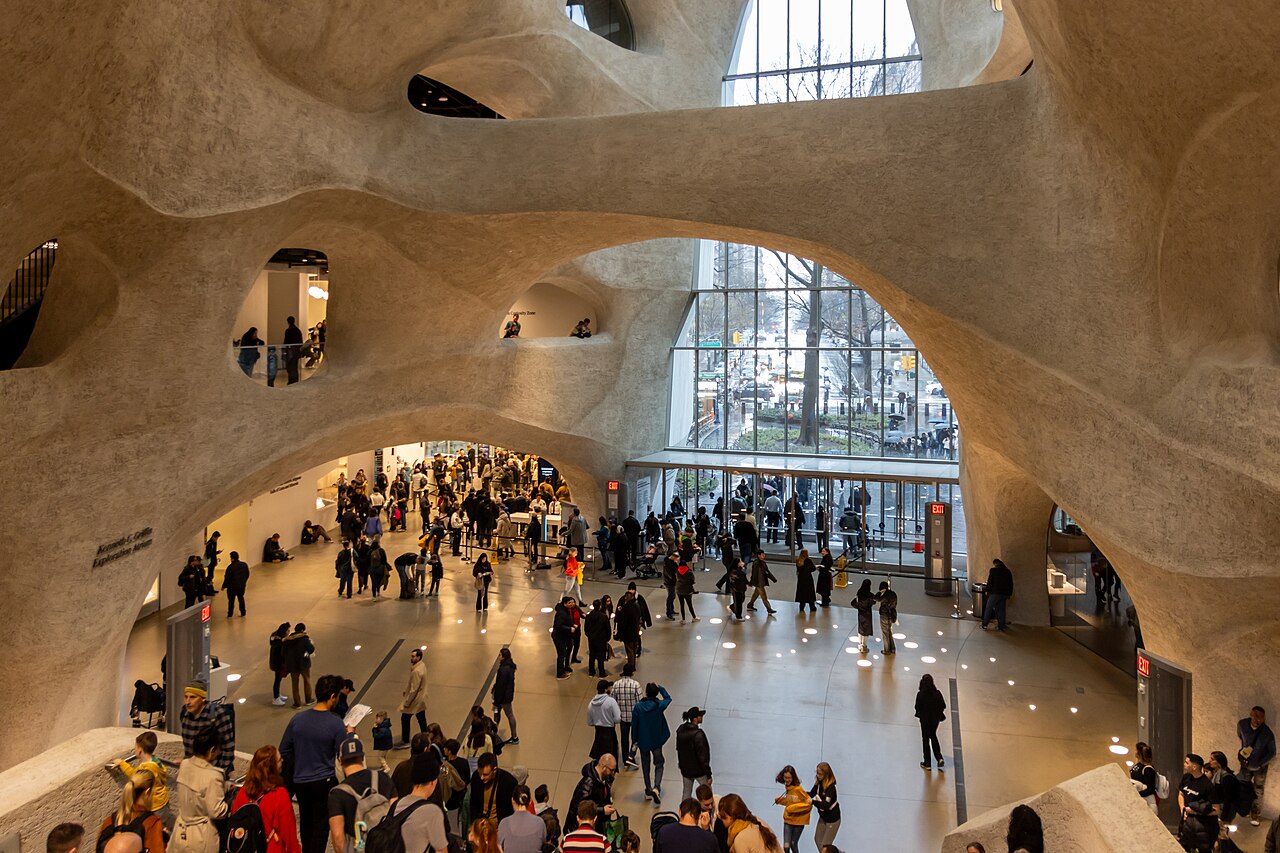
The dinosaur halls, the blue whale, and the dioramas that invented the genre — four city blocks of natural wonder on Central Park West, now with the Gilder Center's canyon-like halls and a butterfly vivarium. The great American family museum.
The Henry Ford
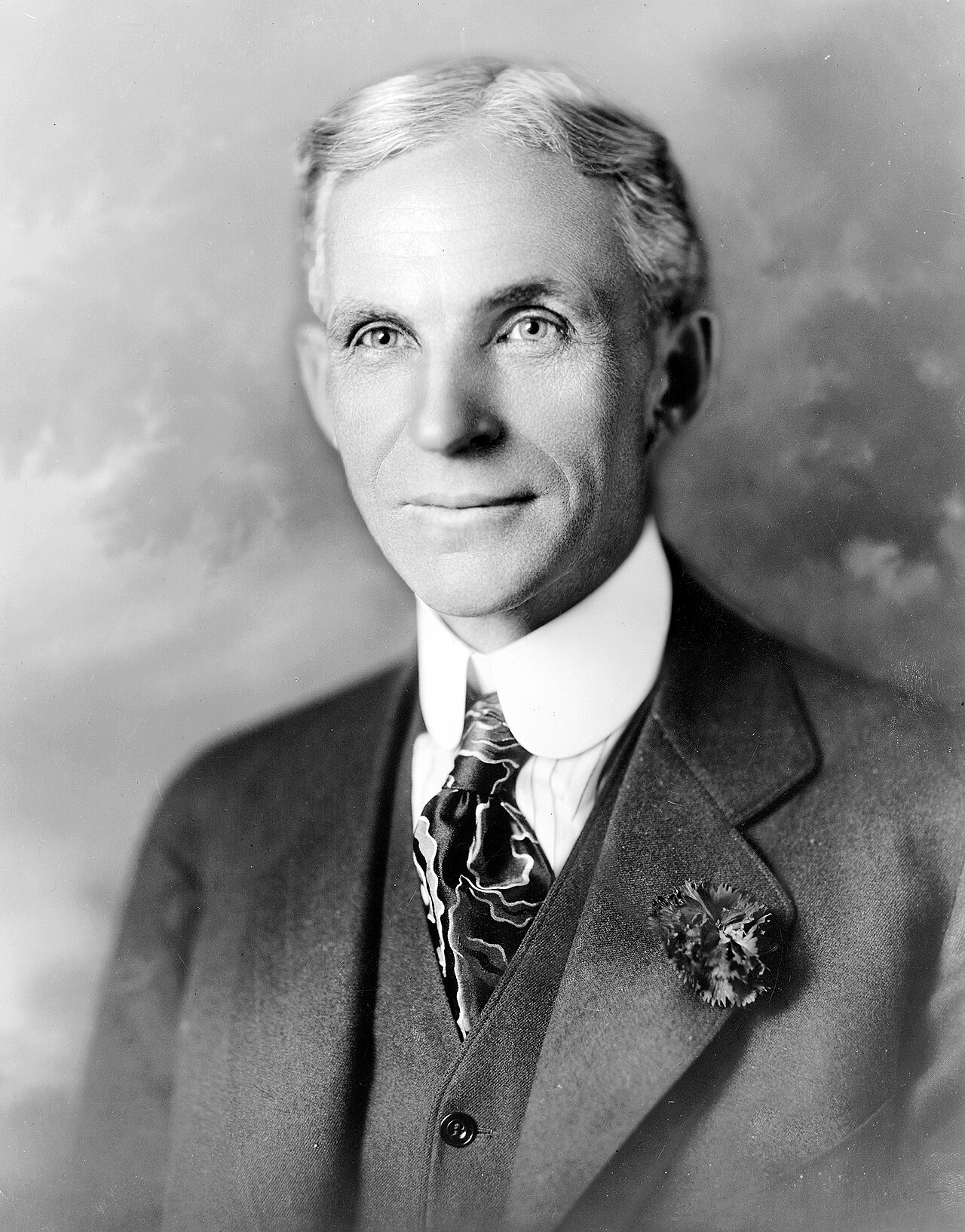
America's attic, curated by Ford himself — the Rosa Parks bus you can board, Lincoln's theater chair, the Kennedy limousine, Edison's actual lab moved brick-by-brick into Greenfield Village, and a working F-150 factory tour next door.