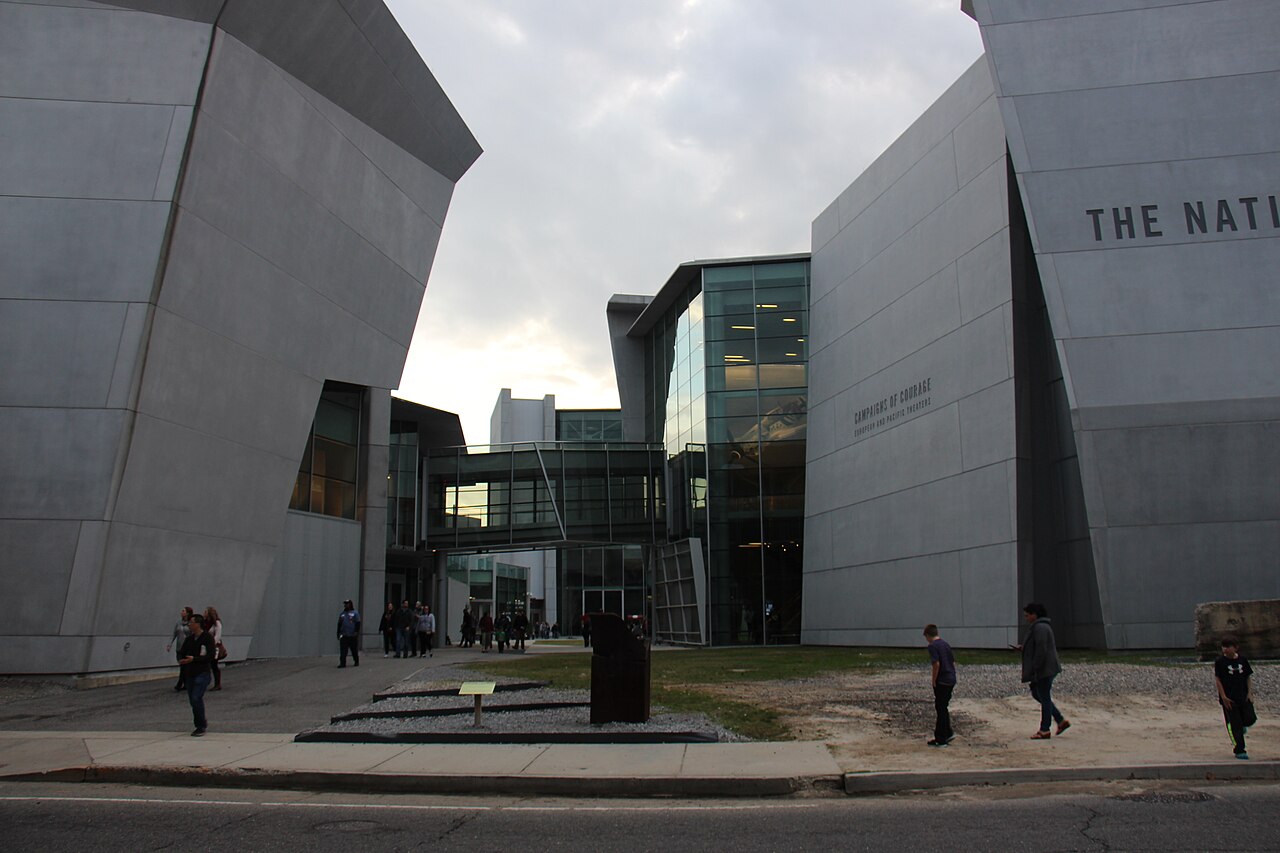
The National WWII Museum
The whole war, told properly
⏱ Full day👤 All ages$$$
Get Tickets
Get WWII Museum Tickets
Skip the line · mobile tickets accepted at the door
Historian Stephen Ambrose founded it on a New Orleans irony: the flat-bottomed boats that put the Allies on every beach from Normandy to the Pacific atolls were designed and mass-built here by Andrew Higgins — Eisenhower called him the man who won the war for us — so the national museum of the war grew where the landing craft did. The 2000 D-Day museum became, by congressional designation, the national WWII museum, and two decades of expansion built the six-pavilion campus that now dominates the Warehouse District and the rankings alike.
The storytelling is the differentiator. Entry issues each visitor a dog tag keyed to a real participant — updated at stations through the galleries, their war unfolding alongside the big one — and the twin campaign pavilions deliver the museum's signature: Road to Berlin and Road to Tokyo wind through full-scale environments (a bombed Belgian winter, a carrier deck, a Guadalcanal ridge) where artifacts, oral histories, and scenography run the campaigns in order, hard choices included. The US Freedom Pavilion: The Boeing Center hangs the heavy metal — the B-17 flying fortress My Gal Sal, a B-25, fighters — viewed from catwalks that put you at waist-gunner height, with the submarine experience below. The original Louisiana Memorial Pavilion holds the Higgins boat, the D-Day galleries, and a Sherman tank's worth of invasion context.
The Liberation Pavilion, opened in late 2023, completed the campus and recalibrated it: three floors that walk from the camps' liberation and the war-crimes trials through the GI Bill's remade America to an honest meditation on freedom's costs and unfinished business — the museum insisting the story ends in responsibility rather than confetti. Logistics: this is a full-day museum (the two campaign pavilions alone absorb four hours); multi-day tickets exist and make sense; the 4D theater and ticketed extras stack atop general admission; and the Warehouse District location puts the WWII-themed Higgins Hotel literally across the street, with the Garden District streetcar and the Quarter bookending the stay. It pairs with this market's history trail — 9/11 in New York, the African American history museum in Washington — as the three museums that handle American memory with the most skill in the country.
What to Expect
Format
A six-pavilion campus running the whole war — Road to Berlin and Road to Tokyo immersive campaigns, the warbird hall's catwalks, the Higgins boat and D-Day galleries, and the Liberation Pavilion's reckoning. Dog-tag storytelling throughout. Plan a full day.
Best Time
Opening, on a weekday — the campaign pavilions reward unhurried attention and crowd pressure builds by noon. Summer afternoons lean on the air conditioning anyway; this is the rainy-day king of New Orleans.
Duration
A full day honestly; two shorter days with a multi-day ticket beats one forced march.
Tips
Take the dog tag and follow your serviceperson — it's the museum's secret weapon. Do Road to Berlin, then Tokyo, with the warbird hall as the midday reset. Save the Liberation Pavilion for last; it's built to be the ending. The Higgins Hotel across the street solves the logistics.
⚡ Quick Picks
Best For
Anyone who thinks they don't like history museums — this one converts them, which is how it keeps winning the visitor polls.
Families
The dog-tag narrative hooks kids from entry, the warbirds and submarine deliver the awe, and the campaign walk-throughs read as adventure with the weight arriving on its own.
Couples
A full shared day that actually holds — then the Warehouse District's galleries and a Garden District dinner to land it.
Pair With
The Higgins Hotel across the street, the streetcar, and the Quarter — the museum anchors the New Orleans trip rather than interrupting it.
Time Needed
One full day, minimum.
Ready to book WWII Museum?
Get Tickets →Frequently Asked Questions
Why is it in New Orleans?
The Higgins boats — the landing craft of every Allied invasion — were designed and built here. Stephen Ambrose founded it as the D-Day museum in 2000; Congress designated it the national WWII museum, and the campus grew to match.
Is a full day really necessary?
Yes — Road to Berlin and Road to Tokyo alone run four absorbing hours, and the Liberation Pavilion deserves fresh attention. Multi-day tickets exist because visitors kept asking; take the hint.
What's the Liberation Pavilion?
The campus capstone, opened 2023 — liberation of the camps, the trials, the homecoming's remade America, and what the victory obligates. It completes the museum and should close your visit.
Is it suitable for kids?
Strongly — the dog-tag device, the aircraft, the immersive campaigns. The hard rooms (the Holocaust content in Liberation) are handled with care; the museum publishes family guidance.
Why do visitors rank it #1?
Narrative discipline — it tells the war as a story with stakes, through real people, at full production quality, and it refuses to end on spectacle. Rankings by travelers reward exactly that.
More All Museum Attractions
Browse all →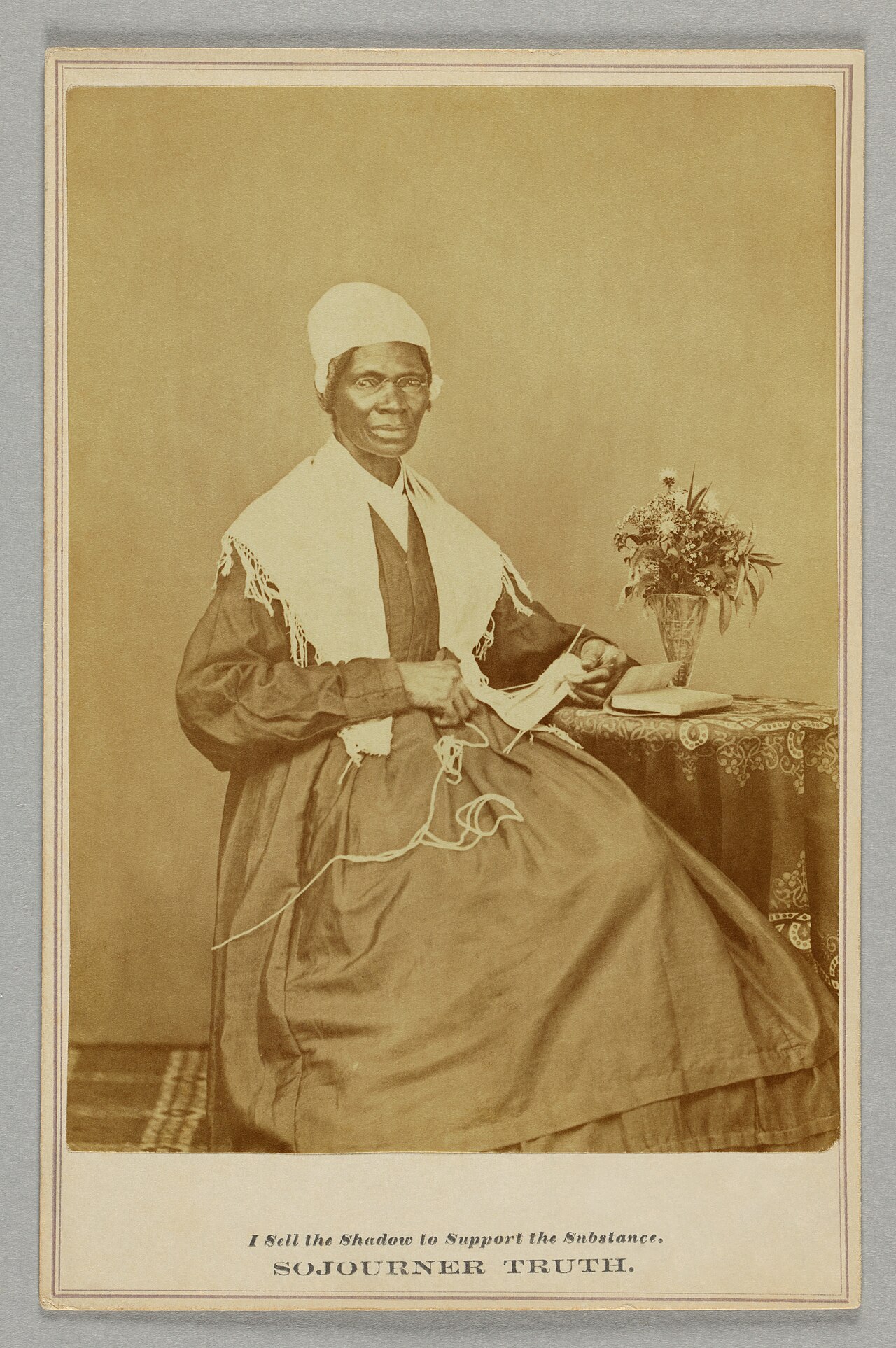
National Museum of African American History and Culture
The bronze corona on the National Mall — the Smithsonian's most powerful museum descends to a slave cabin and Emmett Till's casket, then climbs through the movement to the culture floors. Free, pass-gated, and worth every bit of the planning.
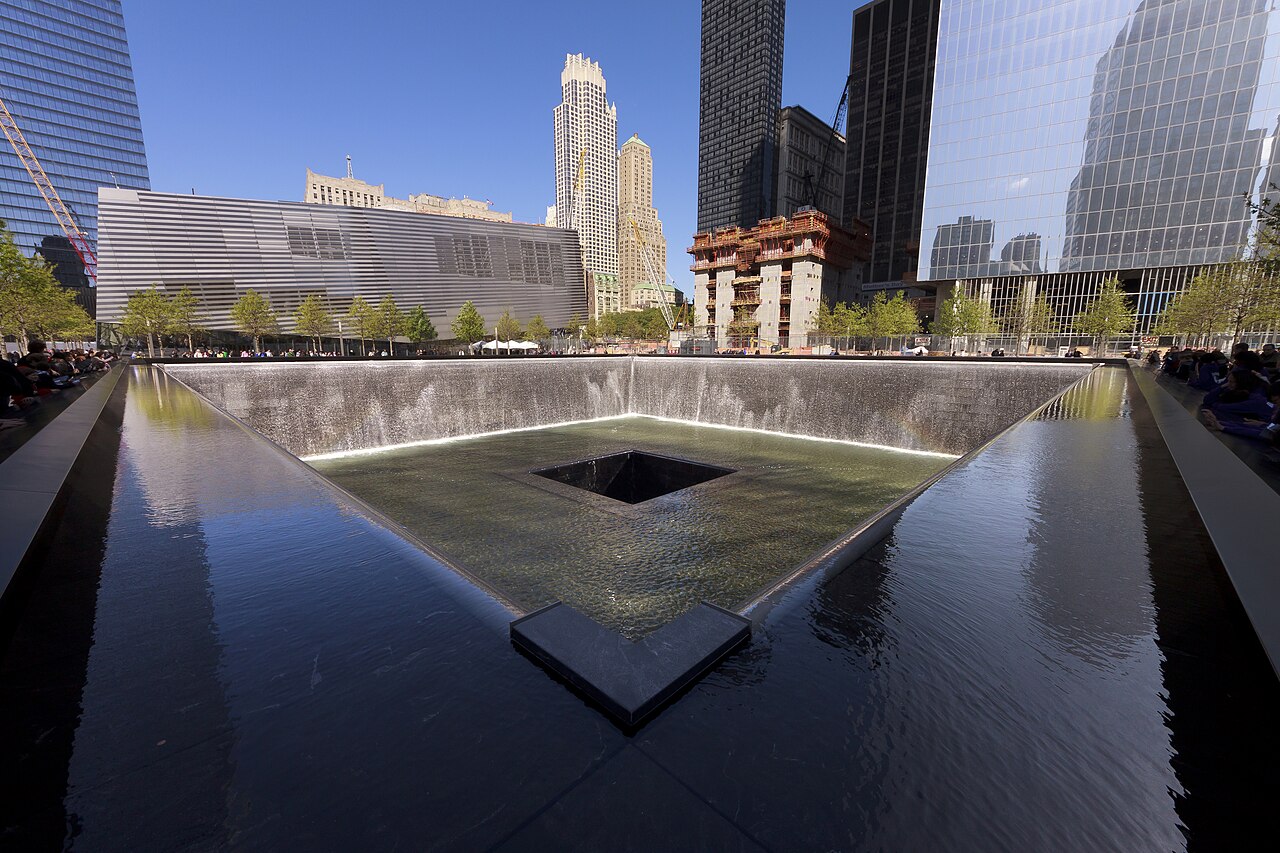
National September 11 Memorial & Museum
The twin reflecting pools in the towers' footprints, and beneath them the museum that holds the day itself — the Survivors' Stairs, the Last Column, the slurry wall. The hardest visit on this list, and among the most necessary.
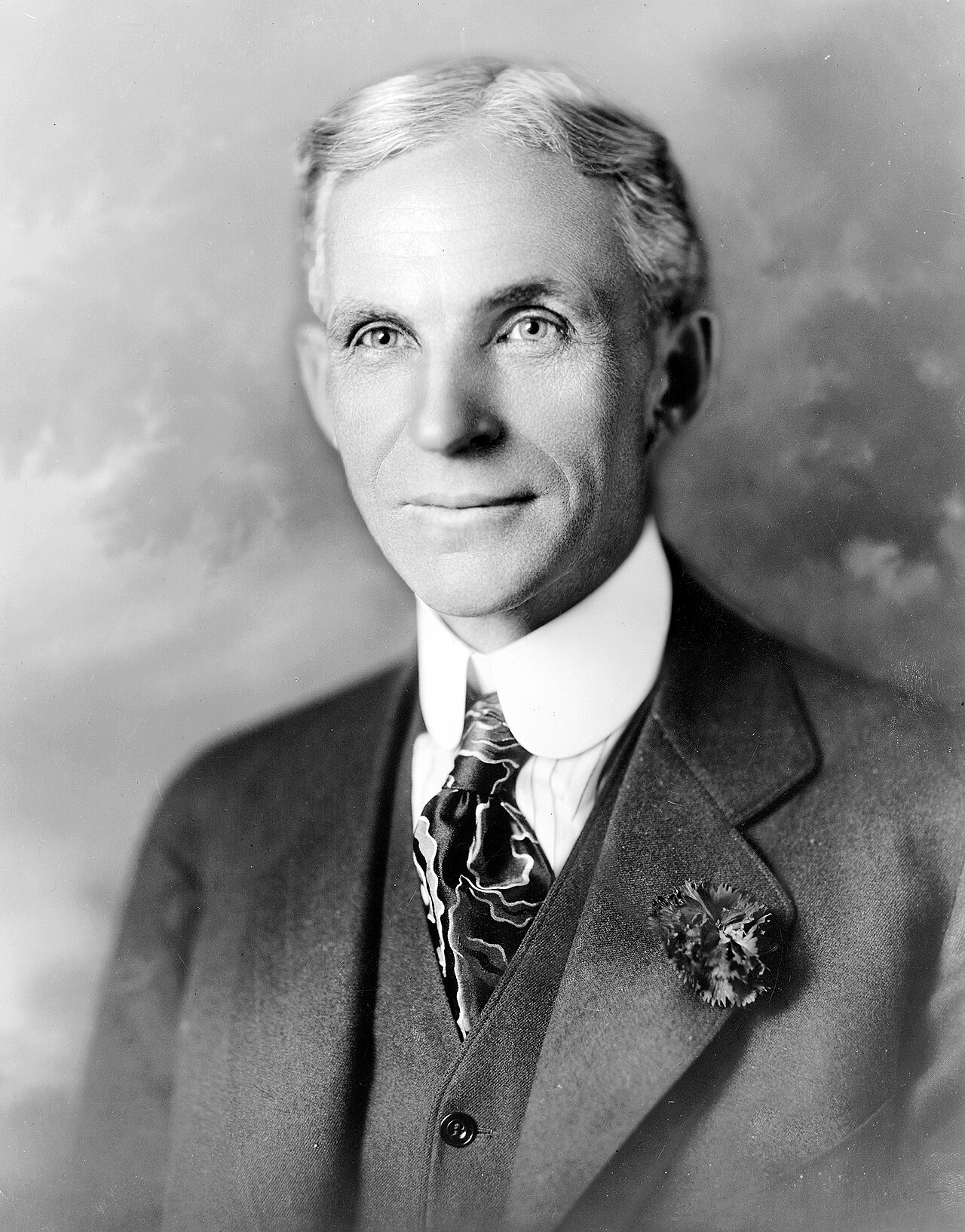
The Henry Ford
America's attic, curated by Ford himself — the Rosa Parks bus you can board, Lincoln's theater chair, the Kennedy limousine, Edison's actual lab moved brick-by-brick into Greenfield Village, and a working F-150 factory tour next door.