National September 11 Memorial & Museum
The day itself, held at bedrock
⏱ 2-3 hours👤 All ages$$$
Get Tickets
Get 9/11 Museum Tickets
Skip the line · mobile tickets accepted at the door
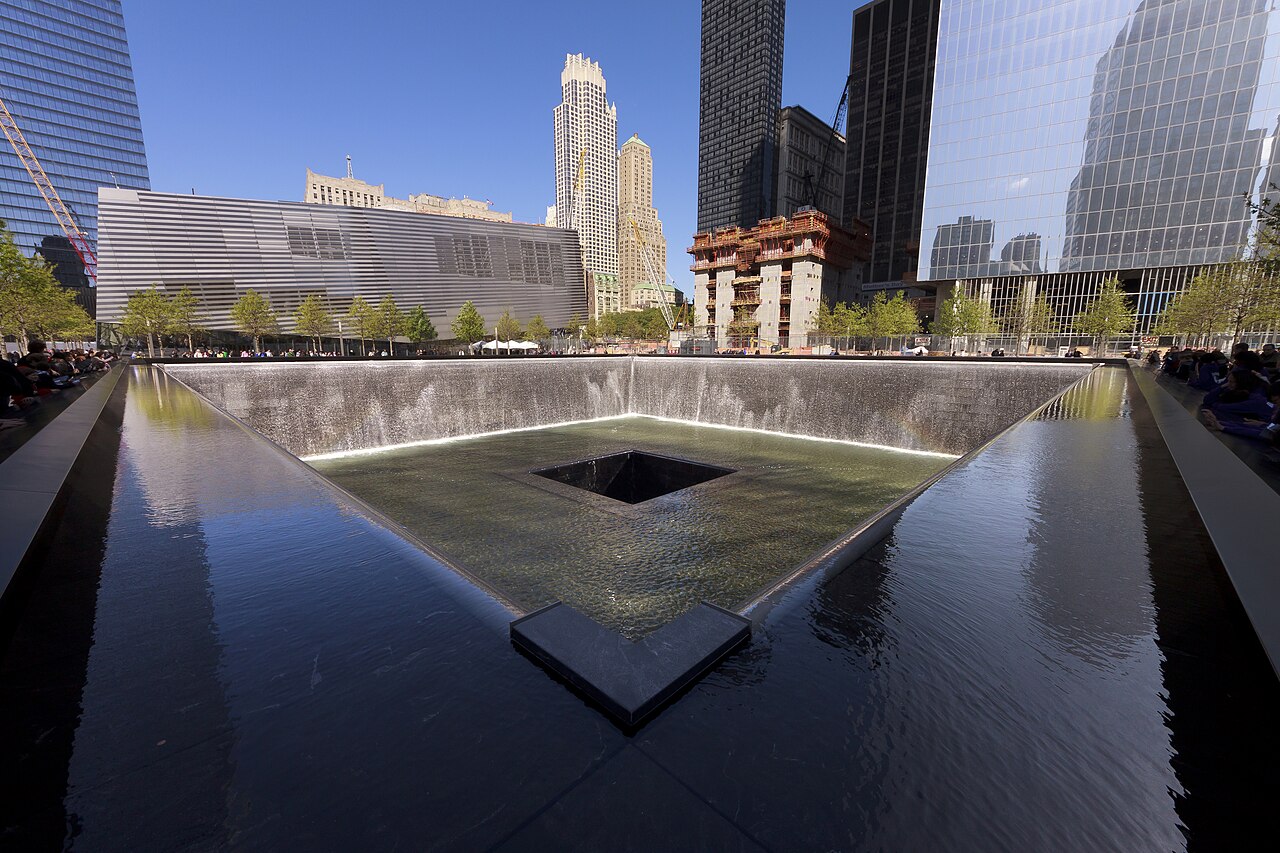
The design brief was impossible — build on the most scrutinized eight acres in America, beneath the footprints themselves — and the result ranks with the country's great memorial achievements. Reflecting Absence, the twin pools, works by subtraction: the towers' exact outlines made into voids that water falls into and then falls again, into a center square whose bottom cannot be seen from any vantage. The names ringing the parapets are arranged by "meaningful adjacency" — colleagues together, crews together, the two towers and four flights and the Pentagon and Shanksville all present — and on each victim's birthday a white rose stands in the lettering. The surrounding plaza's swamp white oaks include the Survivor Tree, the callery pear pulled scorched from the rubble and nursed back; its descendants now go to communities after their own tragedies.
The museum descends. The ramp down to bedrock passes the tridents — two of the towers' steel facade forks, recovered and re-erected — and arrives seven stories below the plaza in Foundation Hall, where the slurry wall (the dam that kept the Hudson out of the pit, and held) rises behind the Last Column, the final steel removed from the site, carried out under honor guard and returned here wearing its skin of memorial messages. The historical exhibition inside the north tower's footprint reconstructs the day minute by minute — the voicemails, the cockpit transmissions, the dust-caked shoes — with a restraint that makes it bearable and an honesty that makes it land; the adjacent In Memoriam gallery answers it with faces, voices, and the things families chose to send. It is the hardest room on this list and the reason the visit matters.
Practical guidance, offered plainly: book timed museum tickets online (the memorial plaza needs none); allow two hours inside and resist scheduling anything demanding after; the historical exhibition has a bypass route for those traveling with children or carrying their own weight into the building — the museum's staff are gracefully practiced at both. A weekly free-admission evening exists with limited tickets for those watching budgets. The Oculus, St. Paul's Chapel (the recovery workers' refuge, unscathed), and the One World Observatory's panorama sit within two blocks, and the harbor's open air afterward is not optional so much as necessary.
What to Expect
Format
The twin memorial pools in the towers' footprints (free, at street level) and the museum seven stories below — Survivors' Stairs, Last Column, slurry wall, and the historical exhibition that reconstructs the day. Timed museum entry; self-paced and emotionally heavy.
Best Time
Opening slots, before the plaza fills — the pools at early quiet are the memorial as designed. Evening visits catch the names lit from within.
Duration
Two hours in the museum; add unhurried time at the pools before or after.
Tips
Book museum tickets ahead; the memorial itself needs none. Take the audio guide — the oral histories are the museum's soul. The historical exhibition can be bypassed with kids; staff will route you. Plan nothing demanding afterward.
⚡ Quick Picks
Best For
Anyone old enough to remember, and everyone too young to — the single most important two hours in American museum-going.
Families
The memorial plaza and Survivor Tree work for all ages; inside, the main halls suit most kids while the historical exhibition is honestly intense — use the bypass for the sensitive.
Couples
An evening walk around the lit pools, names glowing — quiet, profound, and free.
Pair With
The Oculus, St. Paul's Chapel, and One World Observatory — Lower Manhattan's block of grief and resurrection, then the harbor air.
Time Needed
Two to three hours.
Ready to book 9/11 Museum?
Get Tickets →Frequently Asked Questions
Is the memorial free?
Yes — the pools, the names, and the Survivor Tree are open to all at street level, no ticket. The museum beneath is ticketed with timed entry, plus a weekly limited free evening.
Is it appropriate for children?
The memorial and the museum's main halls, yes; the historical exhibition is unflinching, and the museum provides a bypass route — staff are practiced and kind about it.
What will stay with me?
Visitors most often name the Survivors' Stairs, the Last Column's handwritten skin, the voicemails in the historical exhibition, and the In Memoriam gallery's faces — restraint, not spectacle, is what lands.
How long does it take?
About two hours inside, self-paced, plus time at the pools. Most people need the walk to the harbor afterward; schedule accordingly.
What's nearby?
The Oculus is next door, St. Paul's Chapel across the street, One World Observatory above — and the Battery's harbor views ten minutes south for the decompression.
More All Museum Attractions
Browse all →
The Metropolitan Museum of Art
America's museum, full stop — two million works across five thousand years in the Fifth Avenue palace, from the Temple of Dendur in its glass hall to armor, Rembrandts, and a rooftop over Central Park. The one every ranking starts with.
The National WWII Museum
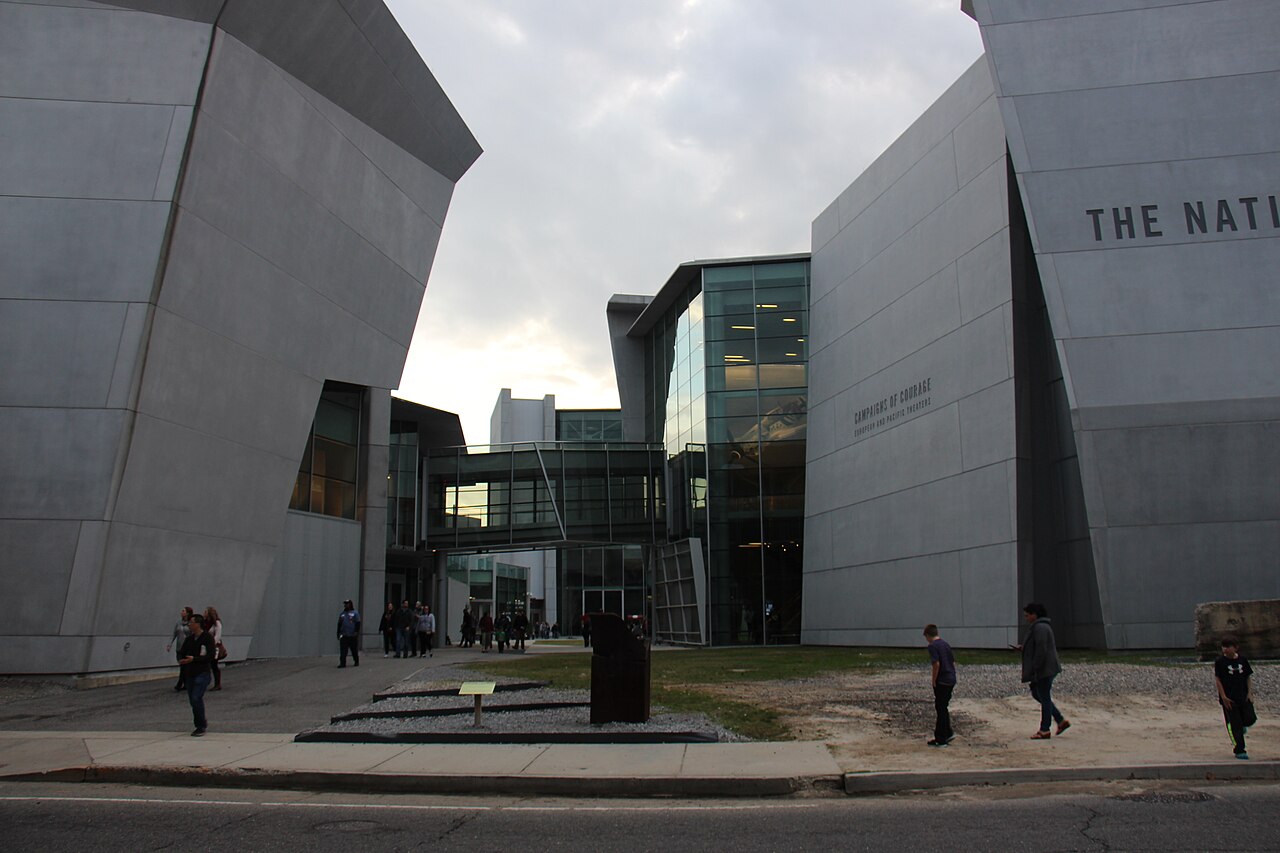
America's #1-rated museum by its visitors, year after year — a six-pavilion New Orleans campus that runs the entire war, from the Higgins boats built blocks away to D-Day, the Pacific, and the new Liberation Pavilion's reckoning with what it all meant.
American Museum of Natural History
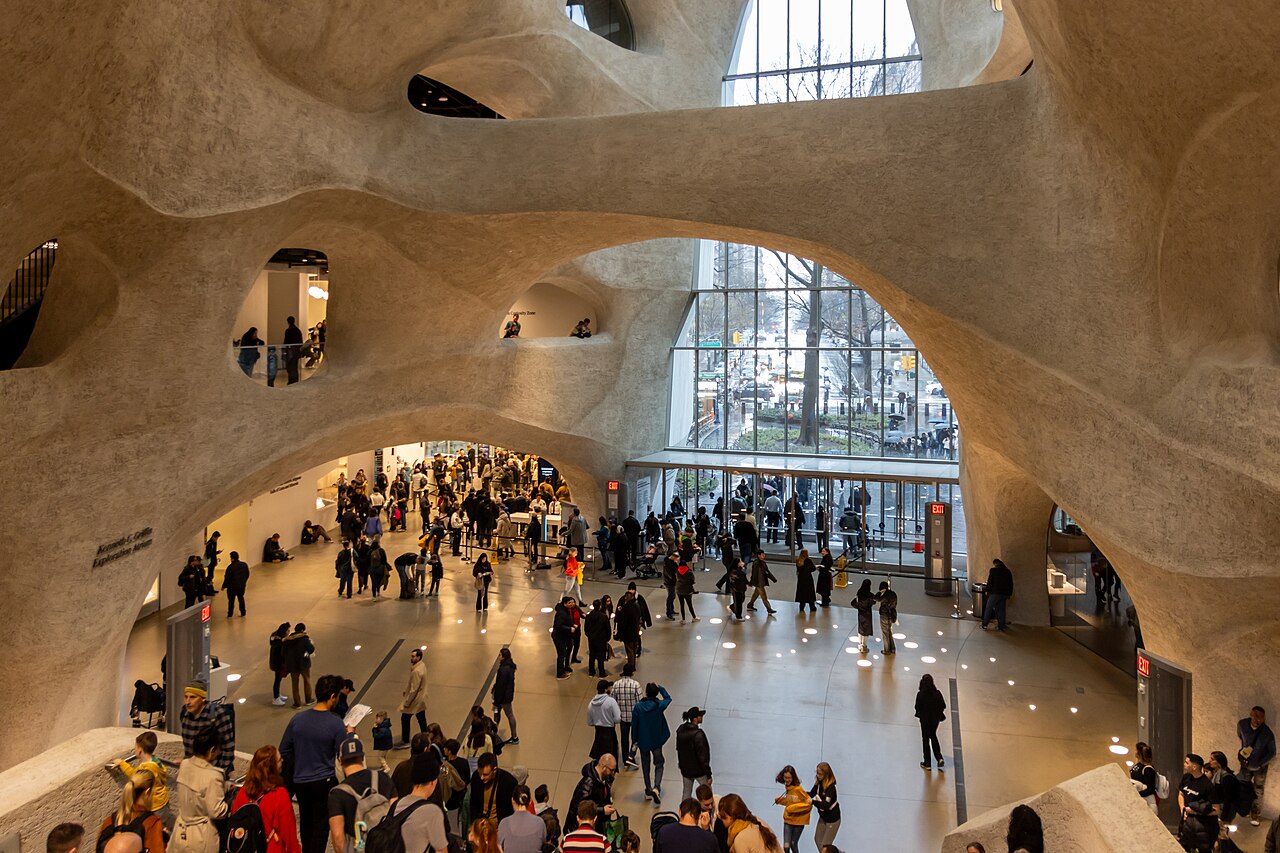
The dinosaur halls, the blue whale, and the dioramas that invented the genre — four city blocks of natural wonder on Central Park West, now with the Gilder Center's canyon-like halls and a butterfly vivarium. The great American family museum.